The Era of the Founder Bernhard Heinrich Feldhaus (*1821 † 1900)
1857
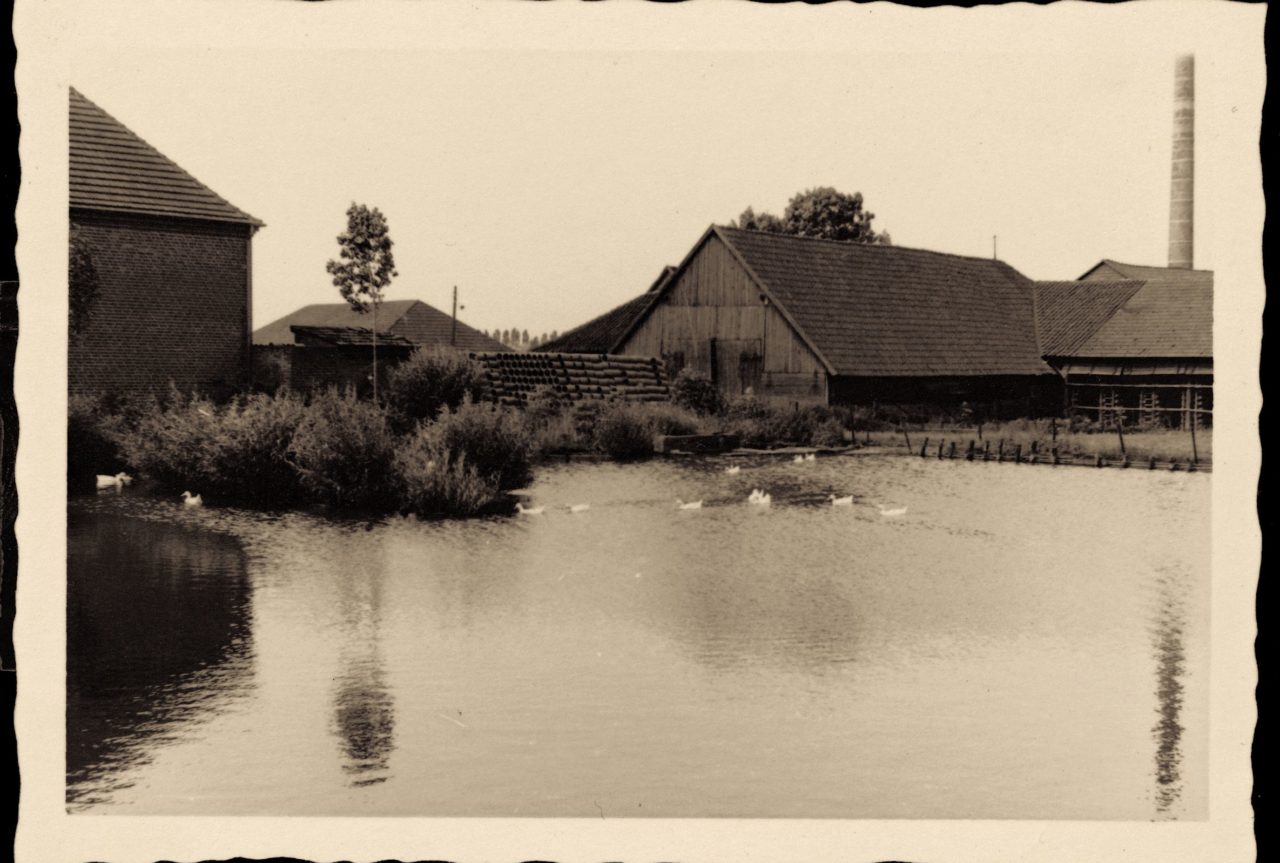
In 1857, the farm owner Bernhard Heinrich Feldhaus (*1821) from the Laer district of Westerwiede produced bricks in an open field kiln for the first time. He used the farm's own clay deposits to generate additional income alongside agriculture through brickmaking. This clay pit, located in the ground moraine landscape west of the Remseder Straße to Bad Laer, yielded rich clay deposits. It was a craft thousands of years old that Bernhard Heinrich Feldhaus took up in the mid-19th century and which was to become the foundation of a globally operating Company.
Initially, however, it was not brickmaking but agriculture that remained the primary focus for a considerable time. For Bernhard Heinrich Feldhaus was first and foremost a farmer with extensive lands and livestock. The full hereditary farm of the Feldhaus family could look back on a long History. It was first mentioned as early as around 1200. Understandably, no one risked abandoning the traditional farm operation too quickly in favor of the new project. With the combination of agriculture and brickworks, Feldhaus created a constellation that was common at the time. Many farmers used the clay deposits present on their own land and soil for additional secondary income.
Impressions


Farmstead construction and new brick kiln
1862
In 1862, Bernhard Heinrich Feldhaus built a new farmstead from the bricks fired in his brickyard, which he nevertheless had plastered. From then on, construction activities have never ceased to this day. His building projects, as well as the numerous purchases of land or a sawmill in 1873, are recorded by Bernhard Feldhaus on the first pages of a notebook, which forms a kind of chronicle. Here, for example, one can read about the year 1866: “In 1866, I again built a brickworks. 70 feet long and 48 feet wide, it cost 200 thalers“.
The brick products of the company Feldhaus found many buyers at that time. This will also have been the reason why Bernhard Feldhaus had a new brick kiln built in 1868. On 29 July 1868, he received permission from the Amt Iburg to commission a newly built brick kiln in order to expand the brickworks. In his chronicle it can be read: “In 1868 a new brick kiln was established and a dwelling house at the brickworks, both brick kilns with a new opening“. This makes it clear that Feldhaus wanted to expand his brickworks considerably and had already planned accommodation for the brickworks workers.
Impressions


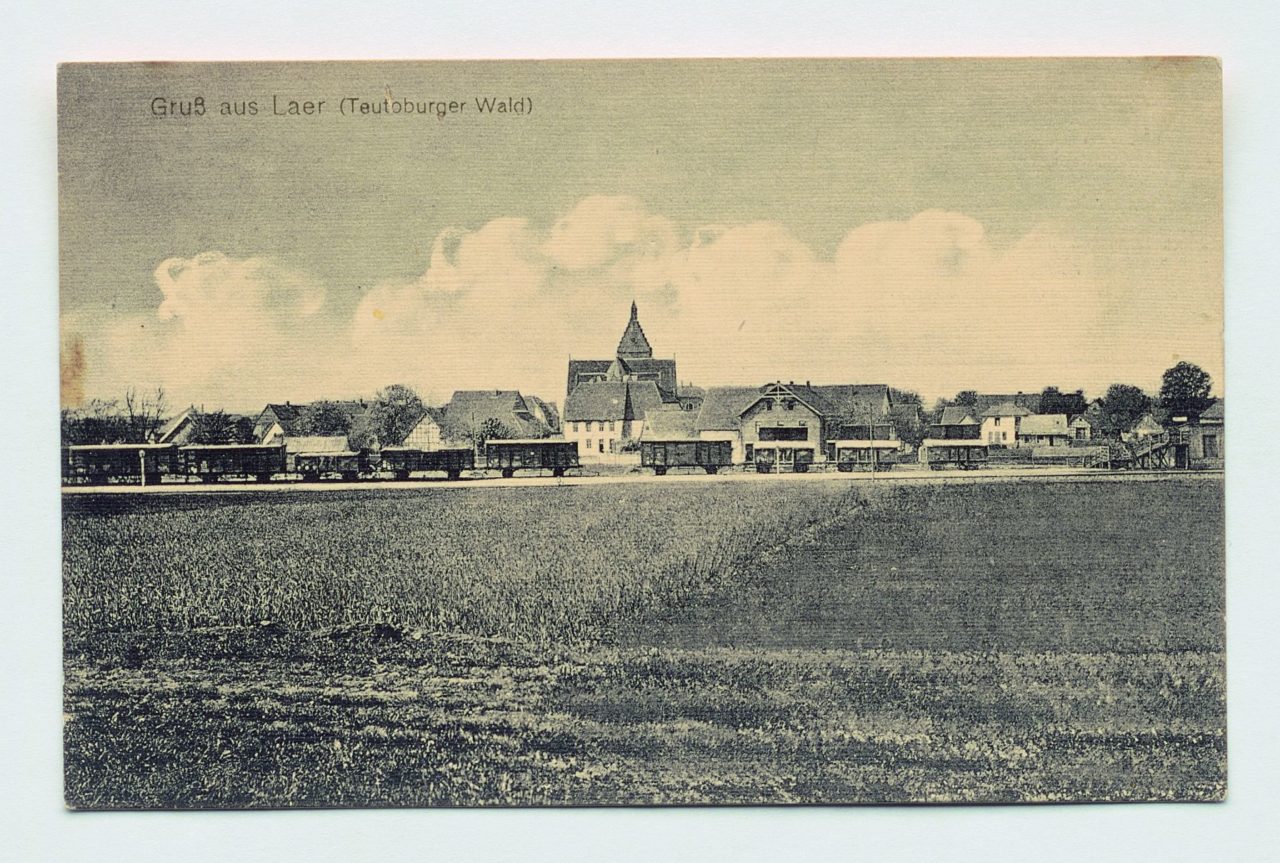


Agriculture and Brickworks
1870s to 1900
From the 1870s to 1900, agriculture and the brickworks existed side by side. Brick production was gradually increased due to high demand.
The account book of the Feldhaus brickworks from the period between 1869 and the mid-1880s, in addition to the records of sales of agricultural products and livestock, bears witness to the increasingly extensive production of bricks, roof tiles, pipes and ridge tiles. Lime, too, was produced in larger quantities in the Feldhauskiln, as the records confirm. Hundreds of customers are listed here together with the brickworks goods they purchased. This book also reveals the radius within which Feldhaus now had its customers. In particular, the towns of Remsede, Laer, Westerwiede, Müschen, Glane, Natrup, Versmold, Winkelsetten, Dissen, Aschendorf, Iburg, Greven and Ostbevern appear.
At that time, the bricks from the brickyard were predominantly used for private houses. An exception is the interior of St. Mary's Church in Bad Laer. It was built in 1874 after the dilapidated predecessor building had to be demolished. While the outer walls were constructed from Laer Piepstein, fired moulded bricks from Feldhauswere used for the interior columns, window cornices and wall supports. Long hidden by overpainting, the bricks came to light again during the renovation in 1966.
The era of the second generation Heinrich Feldhaus (*1861 †1938)
The firing process was now increasingly automated to meet the growing demand for bricks. After overcoming the consequences of World War I and the subsequent inflation, the Feldhaus family once again dedicated themselves to expanding their brickworks. In 1929, Heinrich Feldhaus had an automatic stoking system installed above the ring kiln. Compared to manual stoking, it offered the advantage that coal could now be fed to the kiln more economically and regularly. Although developed as early as the late 19th century, mechanical stokers were increasingly installed in Germany only after World War I. They promised fuel savings of 20-30 percent compared to manual stoking.
Impressions


The Second World War
1939
As late as 1939, a 60-meter-long channel dryer was built on the company premises; for many years, it was the last investment. The Second World War and the post-war period interrupted the steady expansion of the Feldhaus brickworks for several years. “Of course, people here in the countryside never really had it bad,” Bernhard Joseph Feldhaus recalls today. “Anyone who had their own farm at least always had enough food. One could slaughter livestock illegally. At that time, people from the city flocked to the countryside in droves to get food.”
Impressions


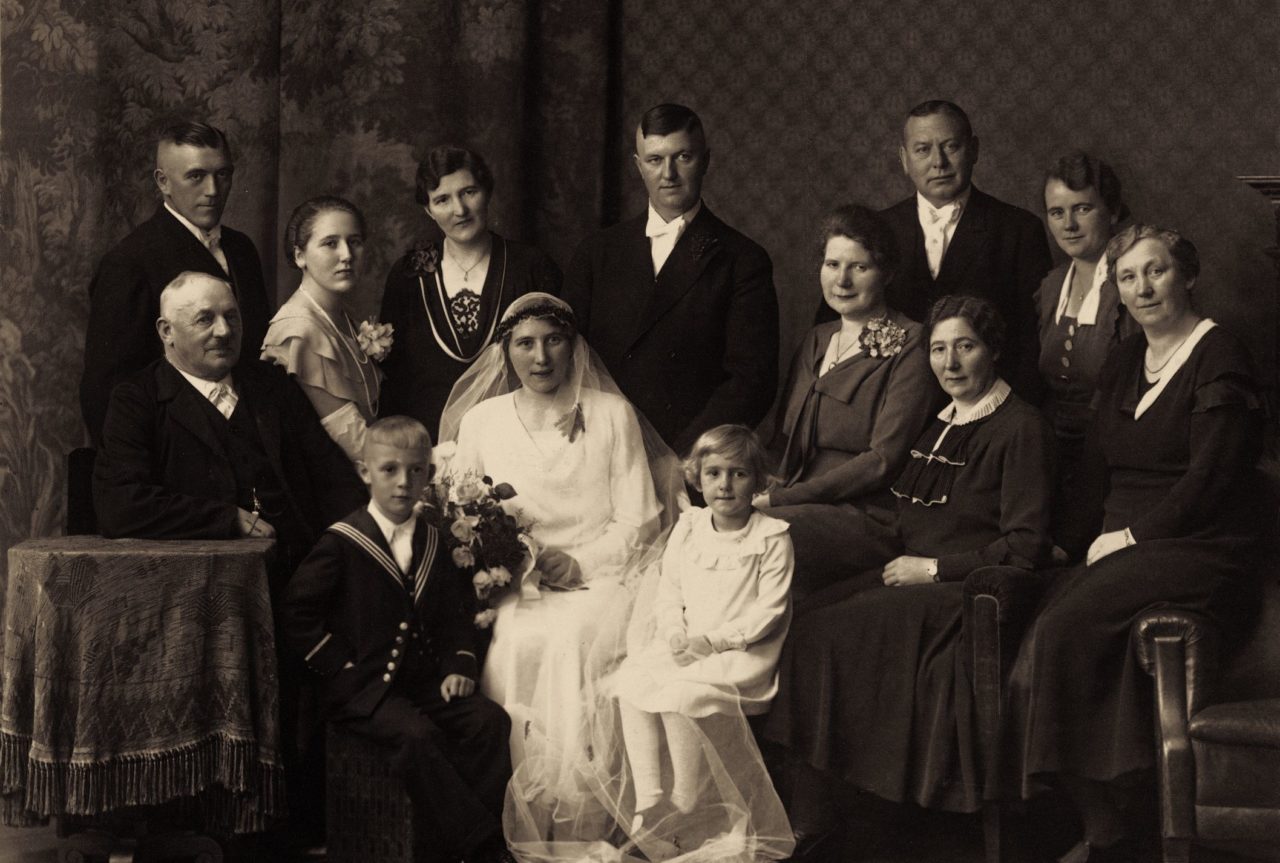
The era of the third generation Helena (*1904 †1970) and Johann Heinrich Feldhaus (*1900 †1955)
1950s
After the gruelling and difficult war and post-war years, calm returned at the beginning of the 1950s and the Feldhaus family was able to concentrate on the expansion of the brickworks. On the second day of Easter in 1950, the Feldhaus family suffered a severe blow: the family's residential building and the farm building were completely destroyed by a fire.
Company heiress Helena Feldhaus and her husband Johann Heinrich Feldhaus had jointly managed the business in the third generation since the death of their father Heinrich Feldhaus in 1938. Together, they devoted all their efforts in the following years to expanding the brickworks. Incidentally, for the first time in the History of the brickworks, a trained master brickmaker, Johann Heinrich Feldhaus , now directed the fortunes of the Company. Thus, 96,000 bricks could be produced per week in a single circuit in the ring kiln. The energy required for this was offset by a steam engine with in-house power generation. A new press house was also built, which is today the oldest building on the site.
The Era of the Third and Fourth Generation Helena (*1904 †1970) and Bernhard Feldhaus (*1938)
By 1955, a press house, a transformer station, and a clay pit had been established. In addition, the drying facility was expanded. In 1955, Johann Heinrich Feldhaus passed away far too early at the age of only 55. A large funeral procession with nearly 1,000 people, including the young brickmakers in their work attire, accompanied him to his final resting place at the Laer Cemetery. Death notices and newspaper reports testify to how popular the deceased brickworks entrepreneur was. For example, one reads: “Hard and unassuming toward himself, he possessed a rare work ethic and a sure, clear vision. We will not forget his human kindness and helpfulness.“
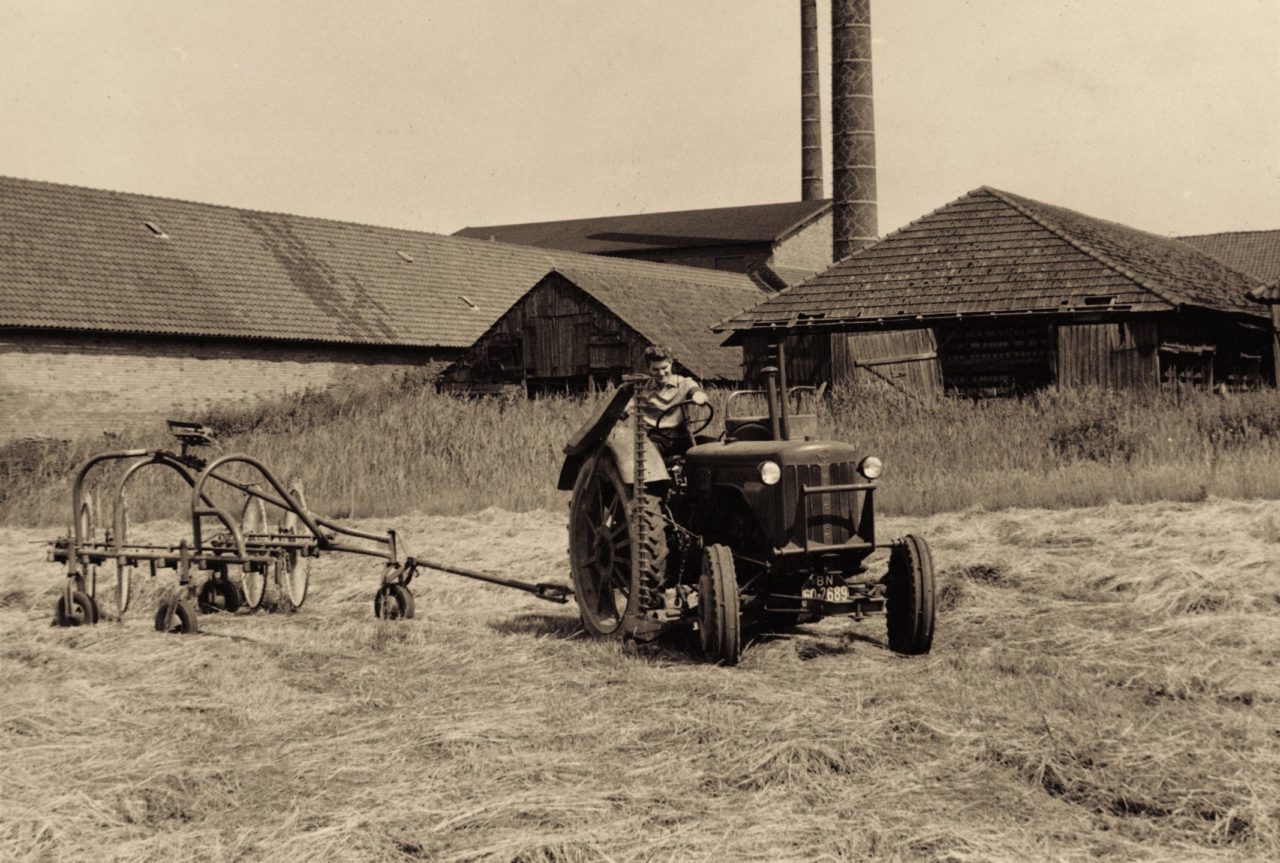
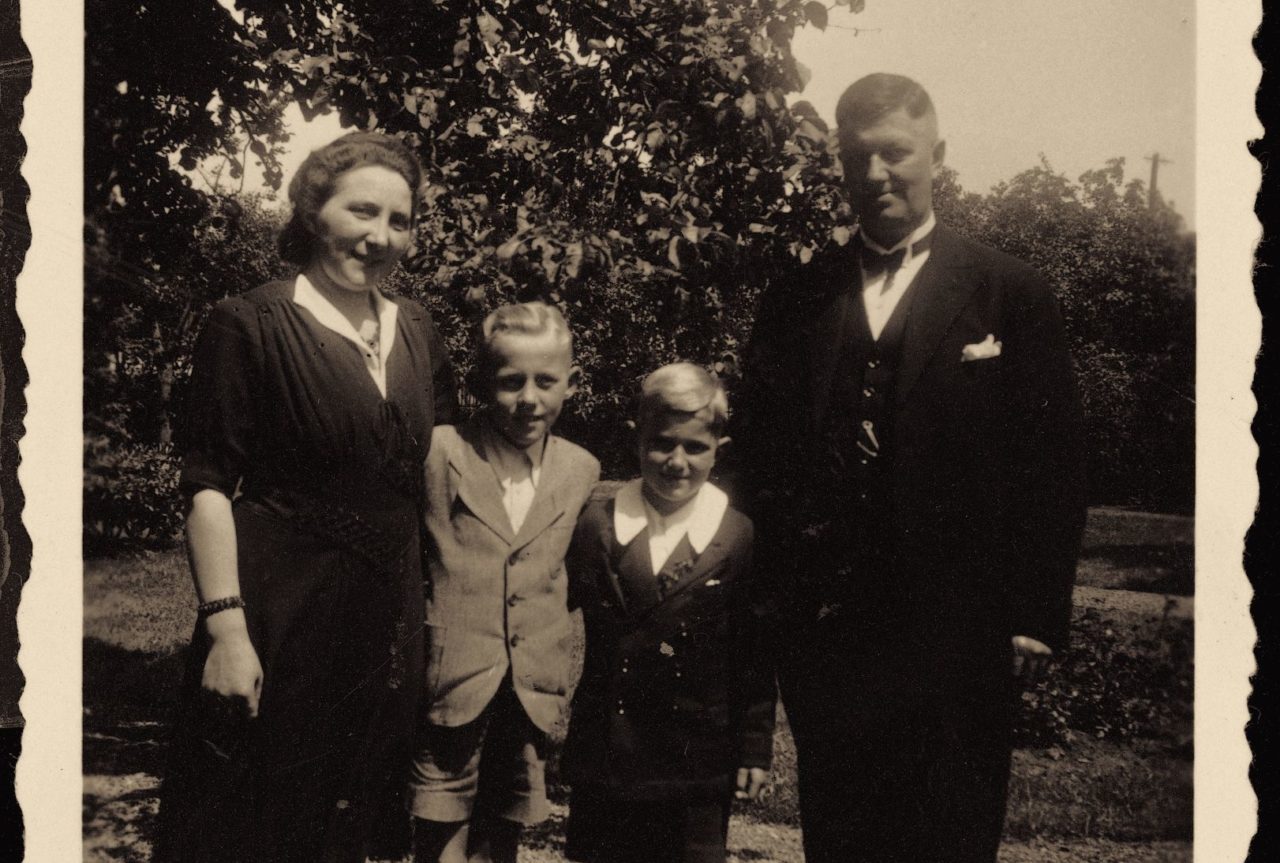
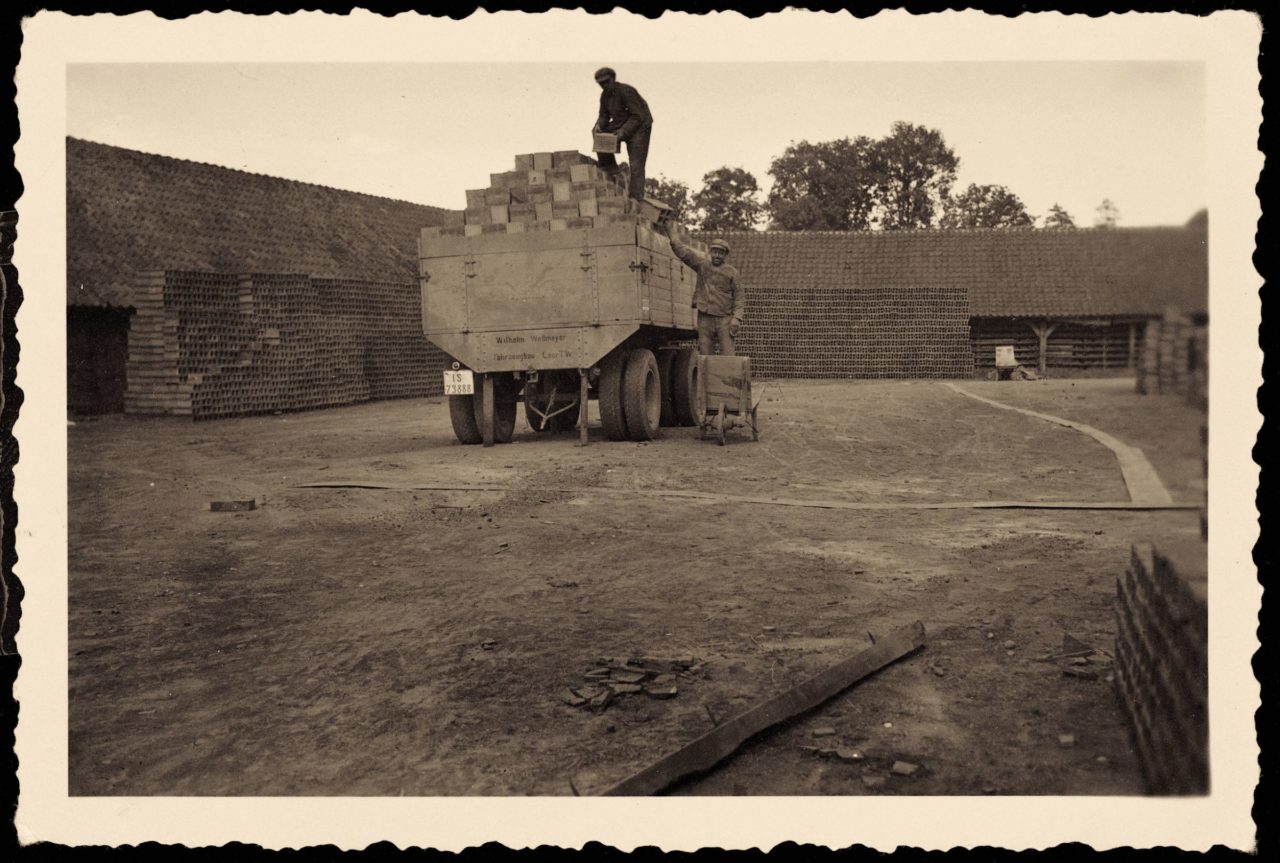
In the period that followed, his wife Helena assumed sole responsibility for the steam brickworks and the farm operation. Her advantage in this was that she had been familiar with the work processes in the brickworks from childhood. She could also count on the support of her sons Bernhard and Heinrich, who actively lent a hand in agriculture and in the brickworks. Bernhard Joseph Feldhaus still remembers well that during school holidays he always helped out in the brickworks with his brother Heinz. The large ring kiln was in constant operation. Each week a round was carried out in which 96,000 bricks were fired in a total of 16 chambers. In summer a stock of green bricks was laid up, which was then fired in winter.
Impressions








New tunnel kiln
1967
In 1967, investments were also made in the field of technology: the almost hundred-year-old ring kiln had become dilapidated and was no longer profitable due to its high energy costs. The two sons Bernhard and Heinz had long since devoted themselves increasingly to the brickmaking business. Bernhard Feldhaus recognized the opportunities that a brickworks with modern equipment offered. After a joint visit to the company Karl Walter & Co., Hanover, the two brothers were able to convince their mother to build a new, modern, 78-meter-long tunnel kiln. It was constructed in half a year of building time and had 20 tunnel kiln cars for the kiln load as well as 9 tunnel kiln cars for the reserve. The tunnel kiln, like the ring kiln, is a continuously operated kiln. In contrast to the ring kiln, however, the fired material now travels on cars through a stationary firing zone.
The old ring kiln was demolished and the feeder was installed in its place. This was followed by the edge runner mill and two rolling mills. Now 3.0 t of clay could be processed per hour. "On 9 September 1967," Bernhard Feldhausrecalls, "the first fully fired bricks came out of the new kiln." In 1968, Bernhard Joseph Feldhaus took over the Company and ensured continuous further development. His brother Heinz also remained active in the company and to this day is an important support to his brother.
By this time, 30 employees were working at Feldhaus, and for the first time the company also had a plant manager, Mr. Hildebrand, who ensured the smooth running of production. And further investments were made: a new clay storage and preparation hall was constructed. In addition, a preparation plant was added, consisting of a box feeder, a used edge runner mill from the company Händle, two rolling mills, and a new press system from the company Breitenbach in Siegen. With the new technology, it was now possible to achieve a press output of approximately 8,000 bricks per hour. At that time, Feldhaus primarily supplied the company Zierenberg in Gütersloh, which accounted for approximately 80 percent of turnover.
Impressions


Further Investments
1970
In the following years, Bernhard Joseph Feldhaus steadily drove the expansion of Company forward: “Since 1970, there has not been a single year in which we did not invest and build anew,” he emphasizes in retrospect. Crucial for smooth production was the conversion from heavy to light oil, which was decided upon in 1970 after a kiln fire. The investments were not limited to technical facilities. While the organization had previously been handled from the private home, new office space was created on the company premises in 1972. And in an extremely modern and family-friendly move, a children's playground was built right next door.
Bernhard Feldhaus 's right-hand man in all subsequent developments and expansions was Karl-Heinz Thele, who began working as a locksmith at Feldhaus in 1972. He quickly proved to be a creative and technically skilled employee, always in search of improvements and innovations relating to brick production. At that time, there were no firmly established areas of responsibility: electricians were lacking, and when problems arose with the machinery, efforts were made to rectify them as best as possible. However, by then the operation had become so complex that specialized knowledge was indispensable. Karl-Heinz Thele therefore trained for two years as an electrical engineer at a school in Goslar and subsequently became operations manager at Feldhausin 1976.
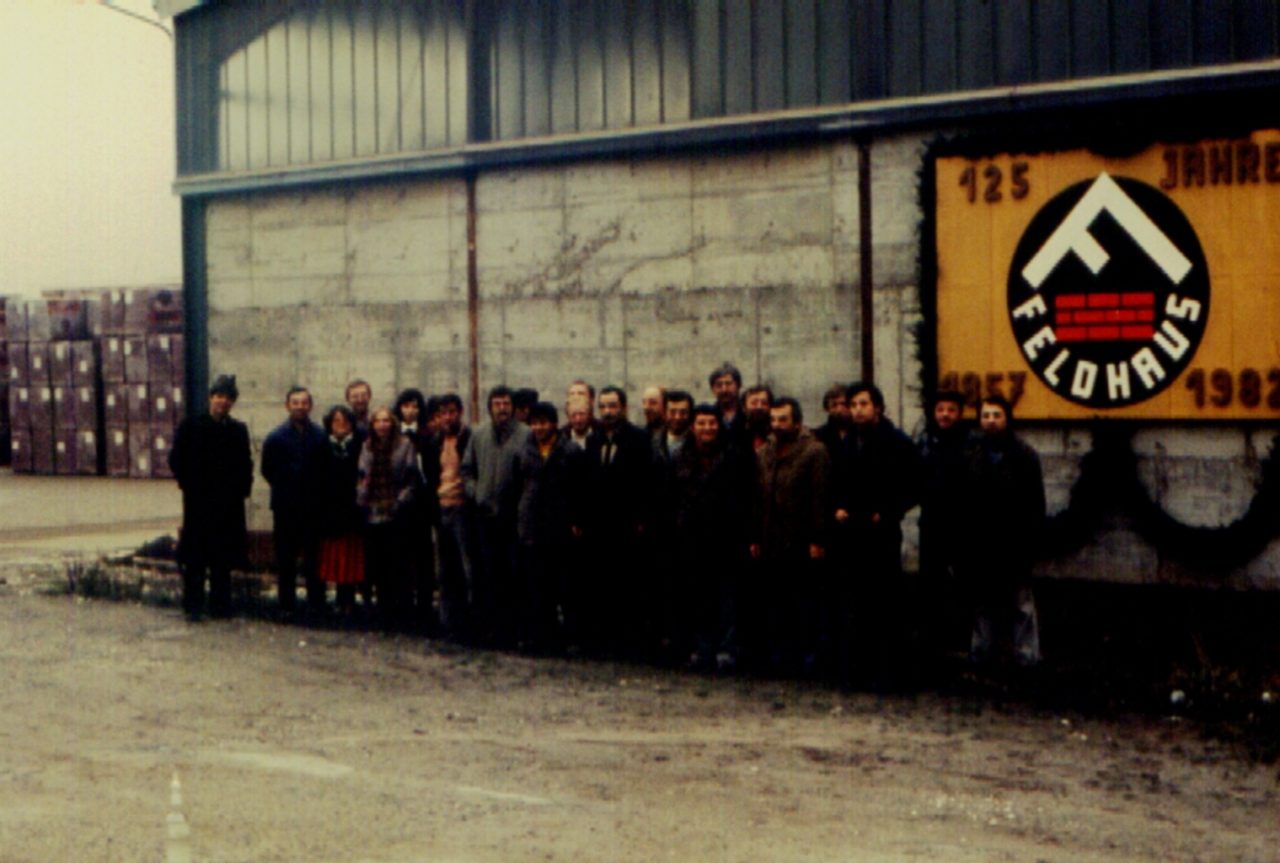
Karl-Heinz Thele has been responsible at the company Feldhaus to the present day for a multitude of innovations in technology and in the development of new products and has contributed decisively to the success of the plant. In order to achieve a gentler firing method for the clinkers, Feldhaus decided in 1977 to convert the tunnel kiln from top firing to side firing. As a result, the facility was one of the first tunnel kilns with side firing in Germany. Firing with natural gas was also introduced at this time. At the same time, the kiln was extended to 113 meters. The kiln capacity could now be increased to a pushing capacity of up to 12 cars. In 1970, it was finally possible to produce 20,000 bricks per day, so that agriculture was completely abandoned.
Impressions


Revolutionary technology for thin brick production
1981
A development of utmost importance for the future of the Company took place in 1981. At that time, the first thin brick were developed at Feldhaus . thin brick refers to narrow bricks that are often used in conjunction with thermal insulation measures for cladding existing and new buildings (external thermal insulation composite system).
With a spirit of experimentation, Bernhard Joseph Feldhaus and Karl-Heinz Thele initially tested the production of thin bricks using the peeling process, which, however, proved to be too complex. Later, the thin bricks were fired using the bonding process, in which several thin bricks were fixed together with a special adhesive. Here, too, problems arose, as traces of the adhesive remained visible in some cases. Yet the operations manager, Karl-Heinz Thele, persevered until he had developed an optimal technique for thin brick production. An additional new firing technology enabled the production of 40 percent more goods at a constant energy consumption.
Impressions




Further Growth
1983
As the capacities for the production of clinkers were no longer sufficient, the decision was made to take over the company Bültmann from Werther in order to focus on Paversproduction there.
Impressions



New tunnel kiln with tunnel kiln dryer
1994
In the meantime, the production of thin brick took up more and more space. Bricks were practically oversold three times over. There were often delivery times of six to eight weeks for many varieties. Particularly in combination with suitable thermal insulation, they increasingly became an important building material in the renovation and modernization of old buildings.
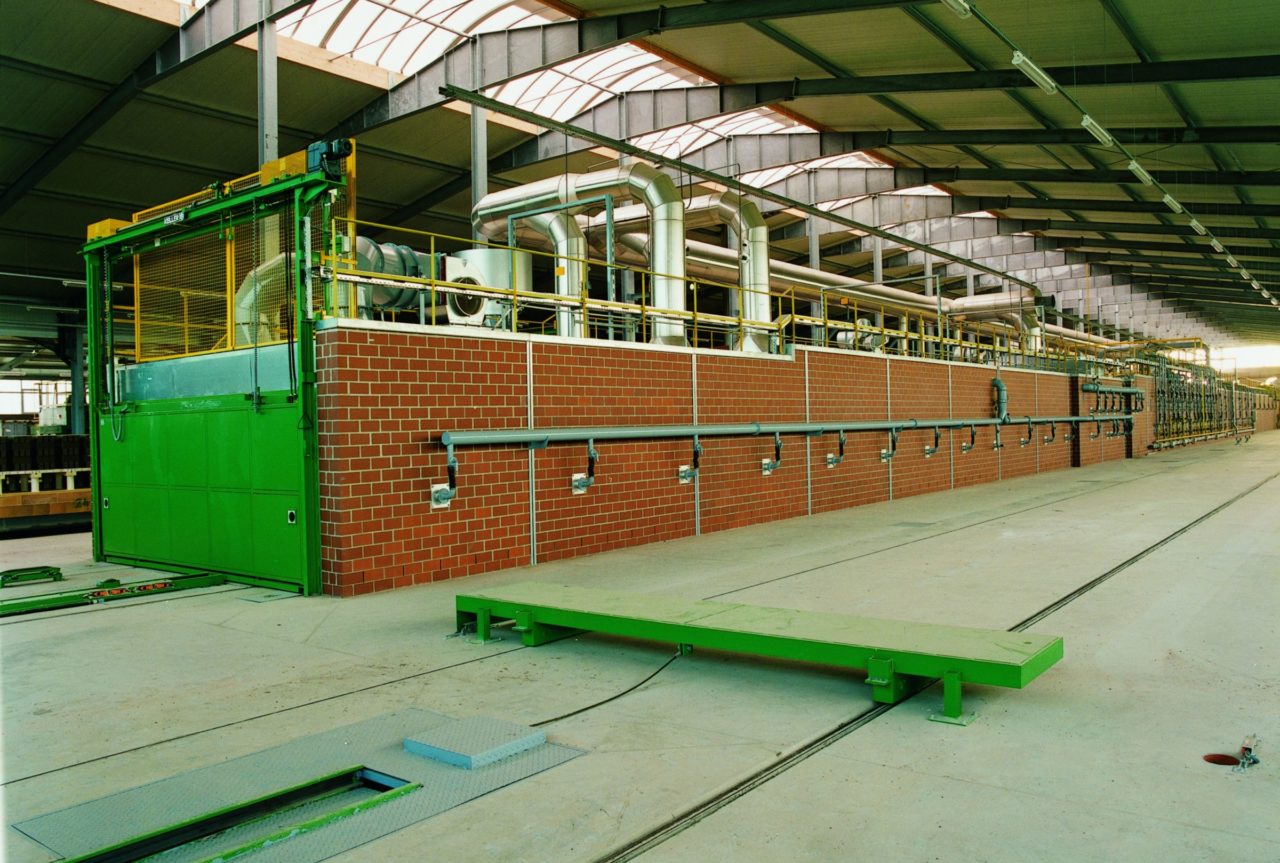
Feldhaus took this development into account and, under the direction of Karl-Heinz Thele in 1994, designed a new tunnel kiln with a tunnel kiln dryer, in which the thin bricks were placed as green bodies on the tunnel kiln cars. The previous drying process in the chamber dryer could be replaced by this new technology. "On November 9, 1995," according to Bernhard Joseph Feldhaus, "the first thin bricks came out of the kiln. Since then, the kiln has fired ware continuously up to the present day (2020)."
Impressions





Technical Innovations
1999
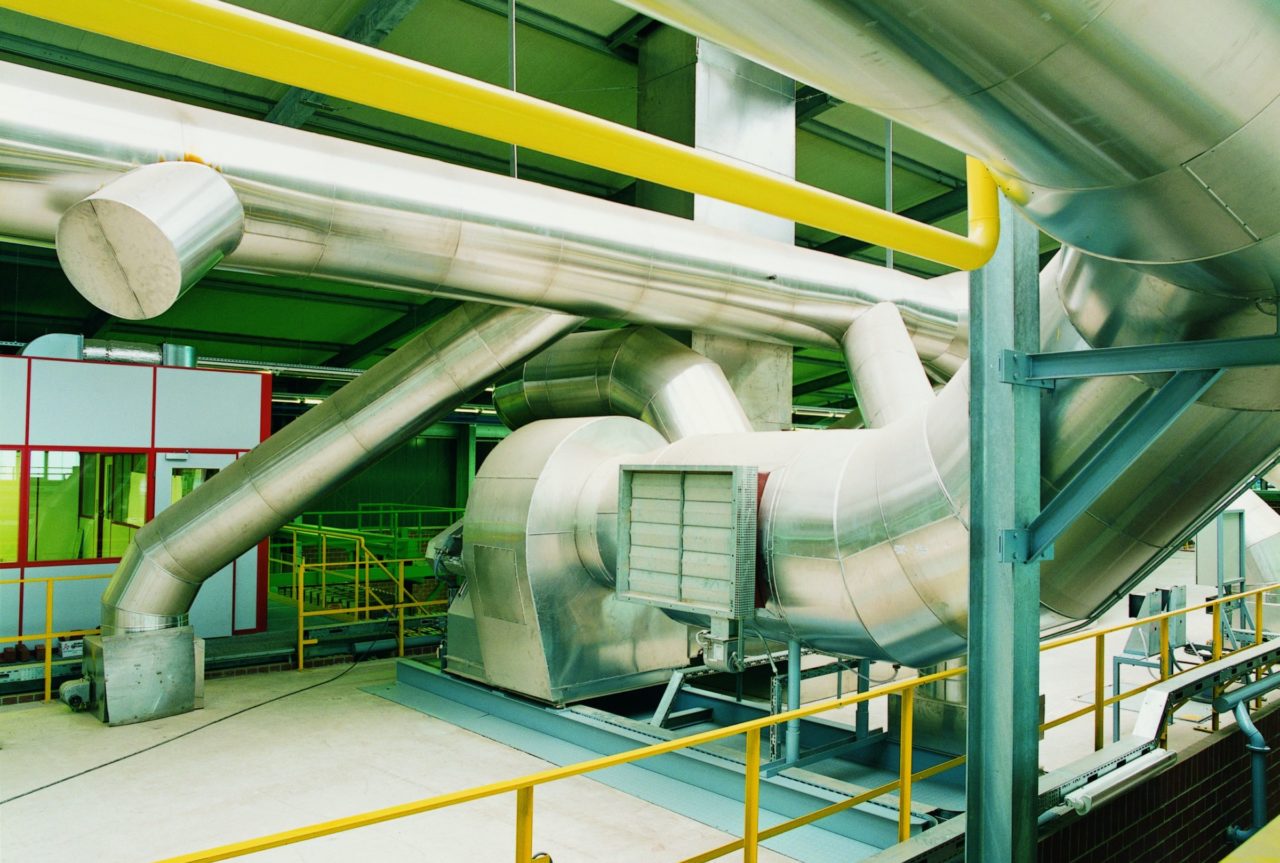
Feldhaus did not rest on the high standard of production achieved to date. Time and again, the employees dedicated themselves to extracting the optimum benefit from the raw material clay. A major problem until now had been the high level of raw material waste generated during the production of the angle brick slips. For these could only be manufactured as part of a full brick, resulting in 85 percent waste.
Corner brick slips are required to professionally clad corners and window lintels. They are indistinguishable from conventional masonry. Therefore, in 2001, operations manager Karl-Heinz Thele, in collaboration with the company Novoceric, developed a process funded by the DBU as a project to manufacture corner brick slips without a supporting block. An elaborately designed extrusion press specifically for corner brick slips now makes it possible to produce these bricks using the extrusion process as well. This allowed energy and material consumption to be significantly reduced.
Thus, with the same quantity of clay, almost six times the amount of corner slips can now be produced. This means that approximately 500,000 cubic meters of natural gas, 40,000 liters of diesel oil, 8,000 tons of clay, and 2,500 tons of carbon dioxide are saved annually.
Currently, Feldhausis the market leader in the field of thin brick, also due to the numerous technical innovations developed here.
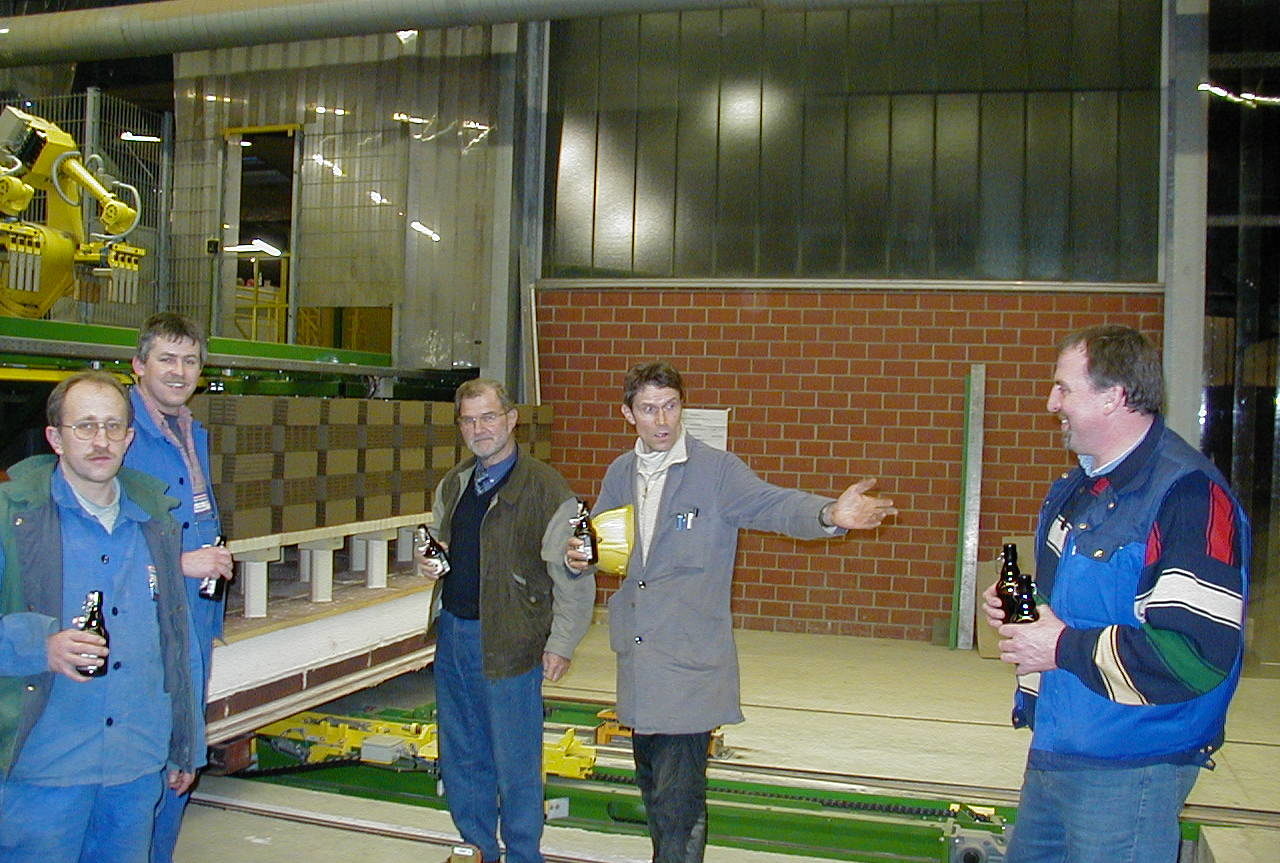
In combination with the construction of a computer-controlled processing plant, computer-controlled recipe management and moisture regulation, the development and patenting of angle brick slip production, and the installation of robots for angle brick slip production, important milestones were set for a modern future. Even Chancellor Dr. Angela Merkel had informed herself about the products of Feldhaus during her time as Federal Minister for the Environment.
Impressions



The era of the fourth and fifth generation Bernhard Joseph (*1938) and Nicola Feldhaus (*1973)
2010
For strategic reasons, the entire production of all clinkers was centralized and the site in Werther was abandoned. In return, the entire kiln control system in the Brickwork was modernized.
Production techniques were further developed and refined. Consequently, it was only natural that the infrastructure on the company premises continuously evolved as well. With the acquisition of the connecting road Laerer Straße to Remseder Straße from the municipality, the site was able to grow further. An expansion of space for all clinker products was created in 2014, and a new attractive factory entrance with a calibrated truck scale also became necessary. This was followed by the relocation of the rainwater retention basin as well as deep well drilling for a new operational water supply. Initial earthworks and demolition work already heralded the creation of the Visitor Center.
With the development of the Feldhaus configurator for digital project planning, the digital age is also dawning in sales.
Impressions


A new era of customer service begins
2015
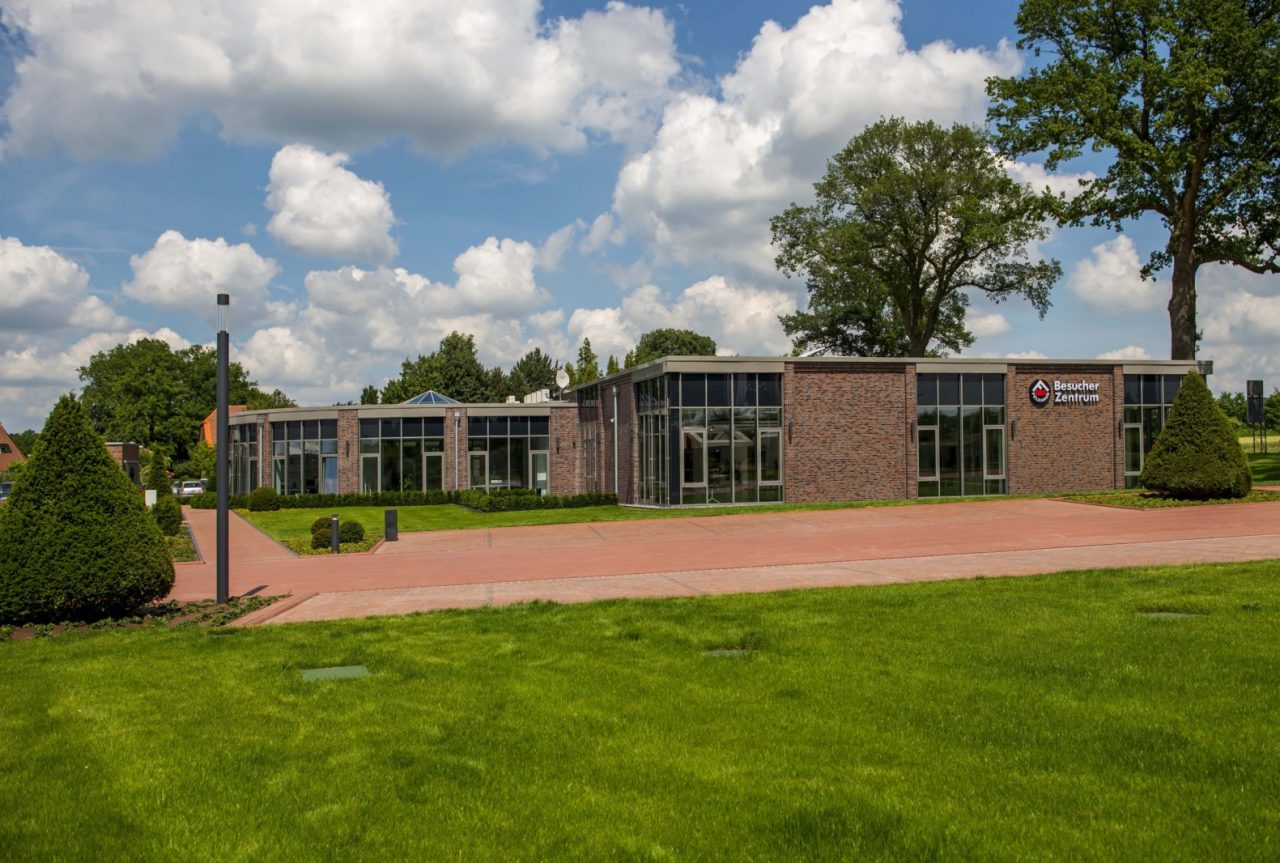
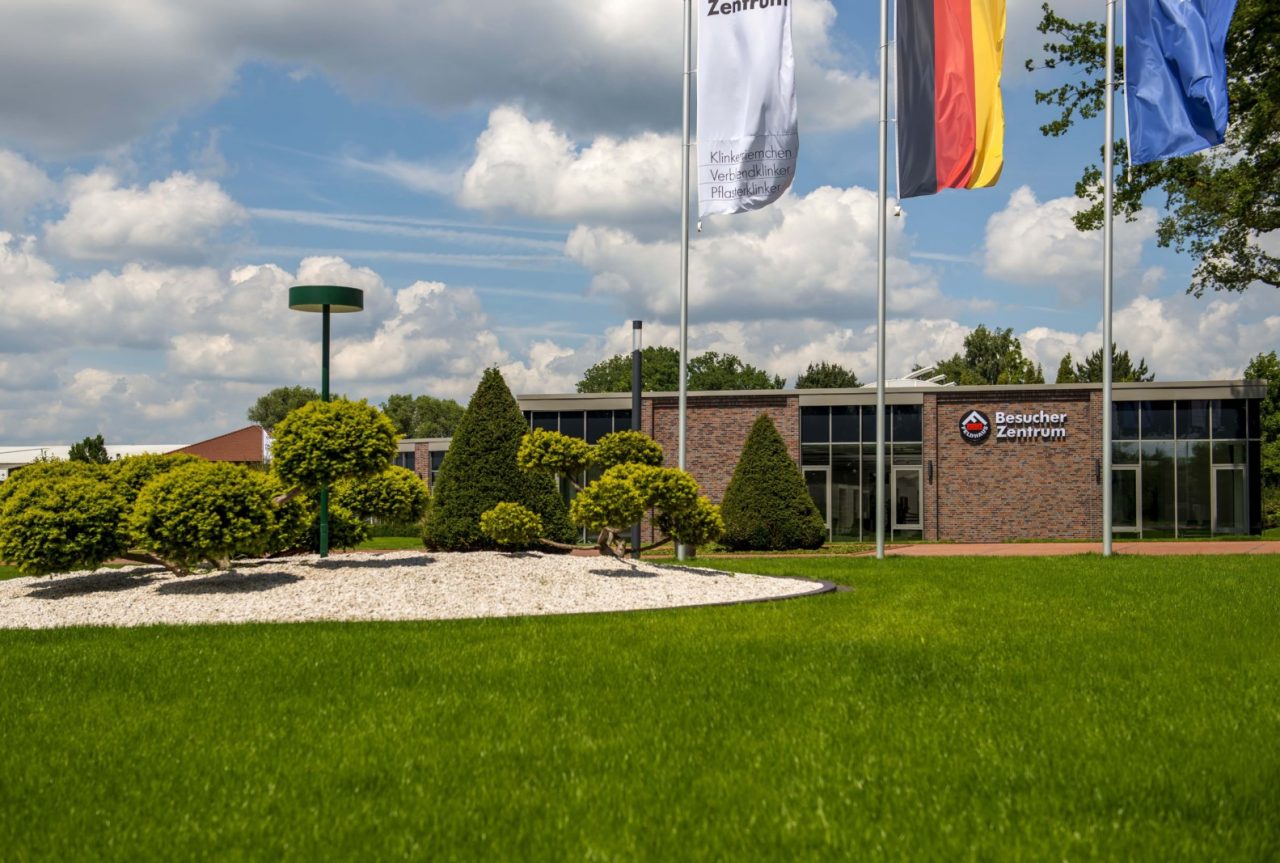
2015 marks the beginning of an entirely new era in customer service: with the opening of the Visitor Center, the doors are now open equally to architects, planners, building material dealers, construction contractors, and private builders alike for extensive Advisory service.
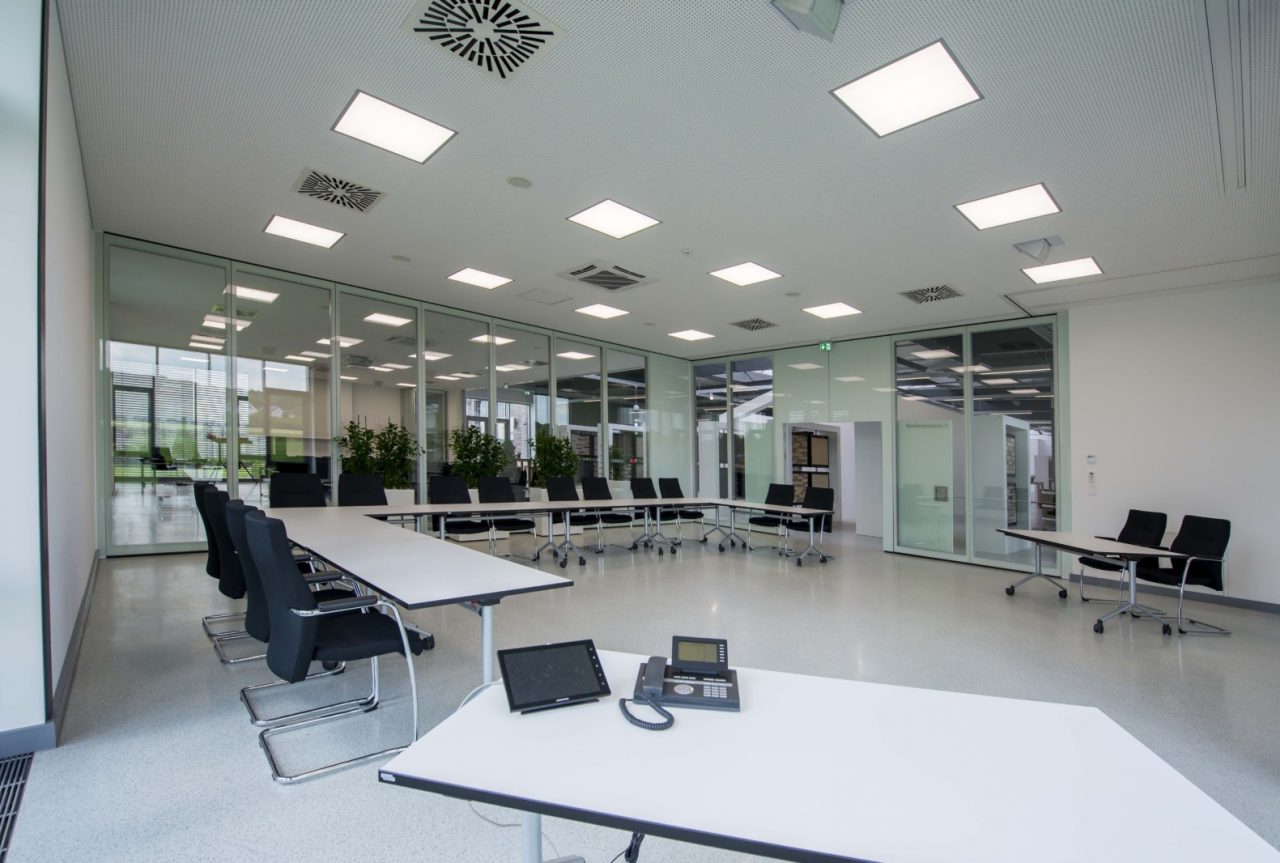
The building, with a total area of approximately 1,400 square meters, and the outdoor facilities also invite professional events and industry conferences. The trade fair activities of Feldhaus Klinker are also being expanded. In 2015, the company will present itself for the first time at the world's leading trade fair "BAU“ in Munich. For a sustainable energy supply, a new combined heat and power plant is being built as a joint project with the local energy provider.
Impressions






Energy Transition at Feldhaus
Today
Founded in 1857, the family business is now successfully managed by Bernhard Joseph Feldhaus and Nicola Feldhaus in the fourth and fifth generation. The expansion of the management board to include long-standing employees Ralf Conrad and Jörg Breier in 2023 results from recent market policy developments. Diverse expertise and deep industry knowledge secure the long-term existence of the family Company against the backdrop of volatile market developments. Far-sighted decisions and proximity to the market have established the success and at the same time set the course for the future. In the meantime, more than 115 million clinkers, thin brick and pavers leave the company's kilns each year. And in the thin brick segment, Feldhaus is the global market leader with its diverse range. A broad spectrum of colors, structures and formats are produced and offer individual design possibilities for private houses, commercial buildings and public construction projects.
In addition to the German market and sales offices in Europe and overseas, Feldhaus , with approximately 150 employees, supplies many emerging markets worldwide. Currently, this includes more than 40 countries. Even the coronavirus-related export restrictions have not been able to slow down growth. The share of foreign revenue is around 50 percent. Thus, the Feldhaus brand is regarded not only in Germany as a guarantee of quality products. From the Baltic region through Asia to America, clinker products “Made in Bad Laer“ are successfully processed.
The changing energy policy framework conditions present Feldhaus Klinker with the opportunity to actively shape the future of the construction industry. With the installation of a 9 MW/p solar system, the course has been set since 2022 for CO2-reduced production of clinkers with the goal of achieving climate neutrality in the firing process. Self-produced "green" hydrogen is the key to this undertaking, in which significant investment is being made.
Figures, data, facts
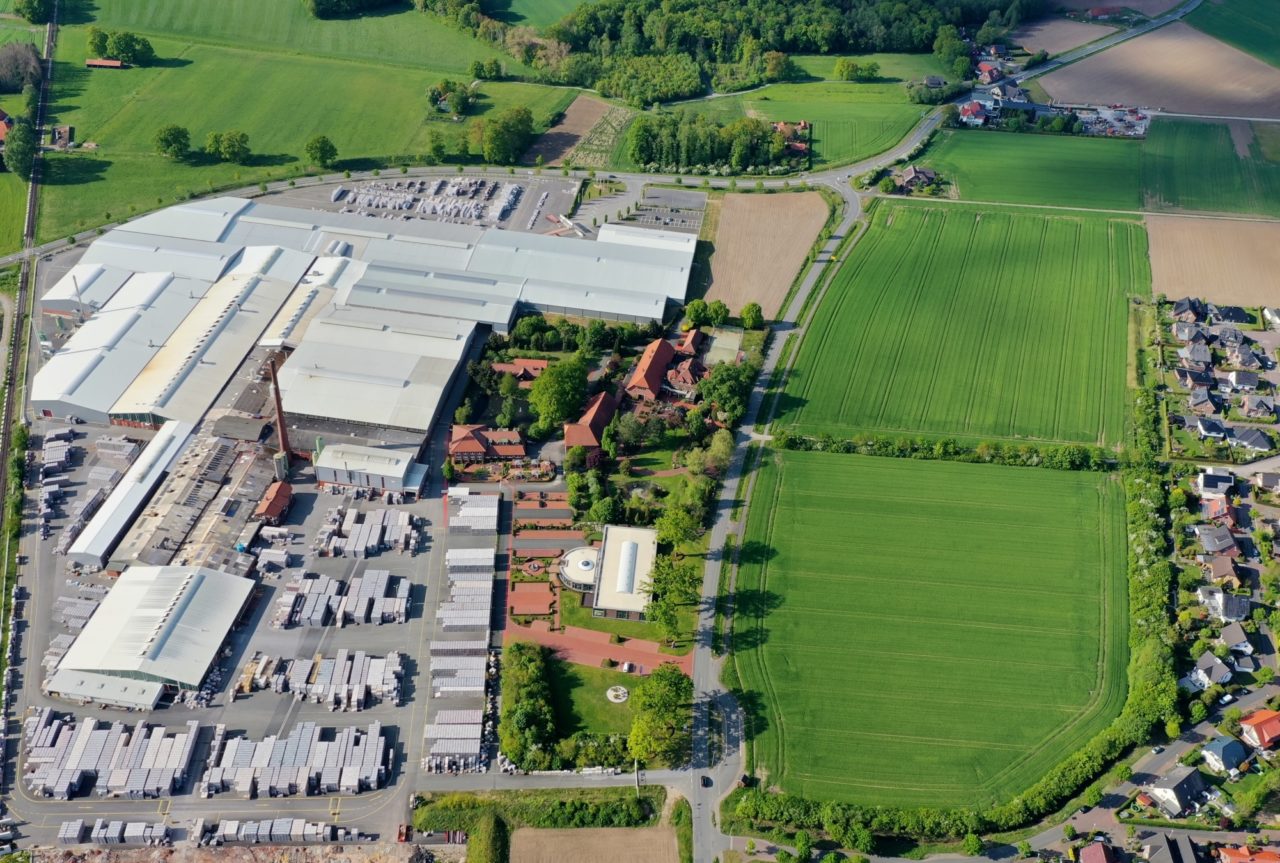
- Company premises 17.1 ha, of which 8 ha are covered production and storage areas
- Covered area fully equipped with PV modules
- One location, three kilns
- More than 115 million units of thin bricks, facing bricks and pavers per year
- Production of approximately 360 t of fired material per day
- 6 press lines
- 9 product lines, 2,500 different items
- approximately 150 employees
- Worldwide export to over 40 countries
Our employees and you, our customers, have contributed significantly to our success. New requirements motivate us to develop our own innovations and have combined expertise and tradition for decades.
We are successful when you are. Rely on our over 168 years of experience!
Your Feldhaus Team
Impressions




FELDHAUS
Over 168 years of success history.
Feldhaus is an international Brickwork from Germany and employs around 150 people at its location in Bad Laer , Germany. We support architects, planners, builders and investors worldwide in construction projects of every size.
Our Teams from the fields of architecture, construction, and engineering provide you with precisely the technical services and Advisory services offerings you require for your construction project with clinkers. We would be pleased to inform you personally about our product and Service offerings. Our specialists will advise you competently and will gladly answer all questions regarding our solutions.
Experience technological leadership – for over 168 years. Look forward to a collaborative partnership with the oldest family-owned Brickwork in Germany.